Zentangle patterns › Betweed
Betweed Zentangle® Pattern: How to Draw It Step by Step
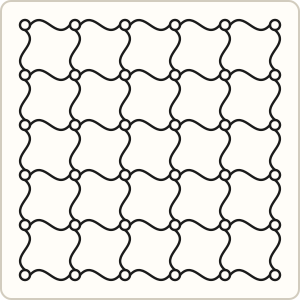
Betweed fills the space between two lines with curved blades. From the two outer corners of a section, curves sweep in one at a time, each stopping where it meets the curve before it, with a tiny black wedge at the tip. It is an original Zentangle tangle, first taught in the founders' newsletter in 2010.
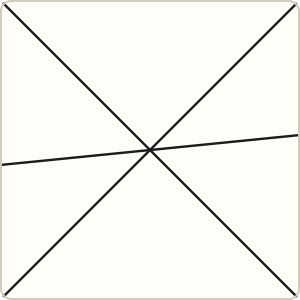
Draw three lines crossing at one point to split the tile into six sections.
Watch it draw stroke by stroke, pause on any step, then try it yourself on paper.
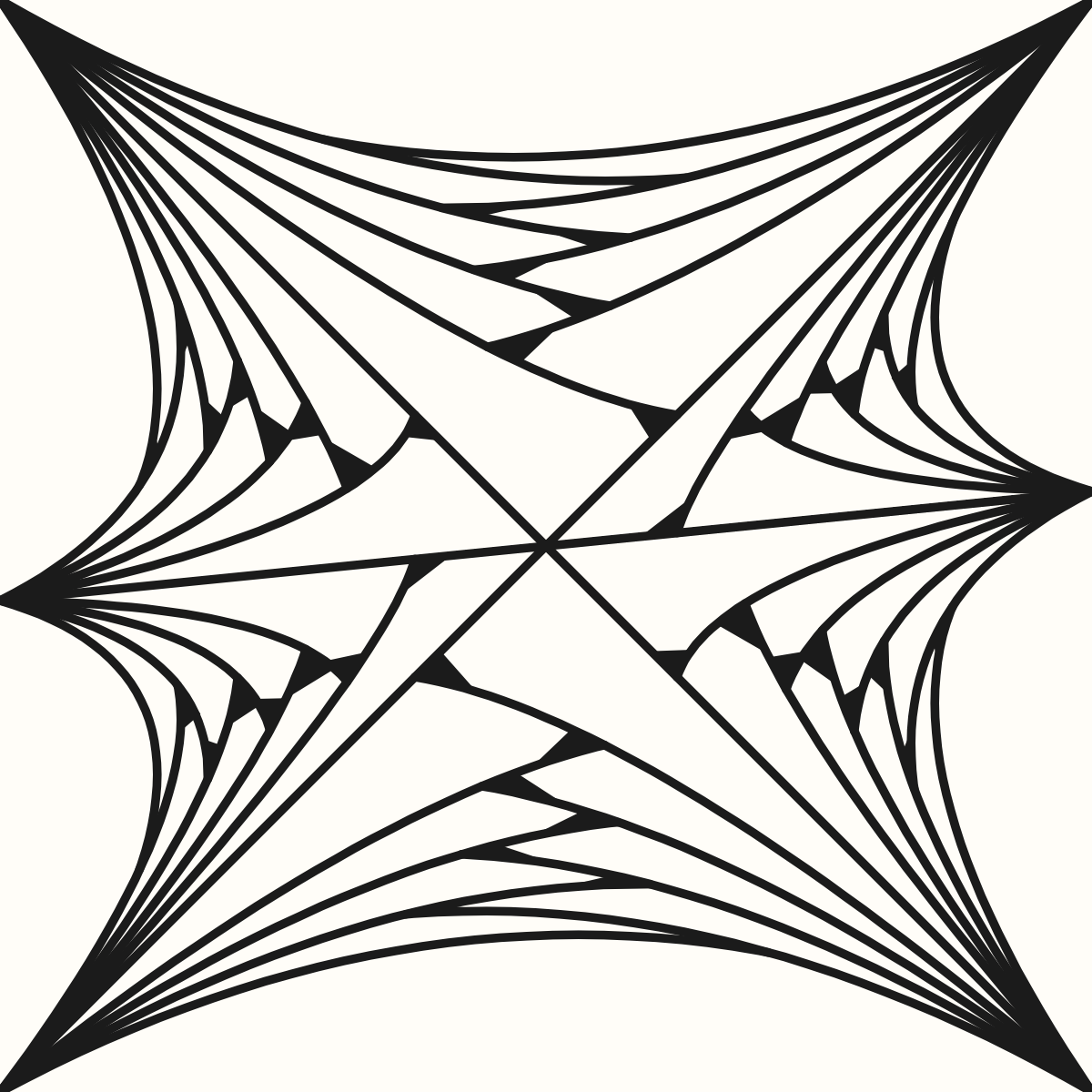
Betweed step by step
 Step 1
Draw three lines crossing at one point to split the tile into six sections.
 Step 2
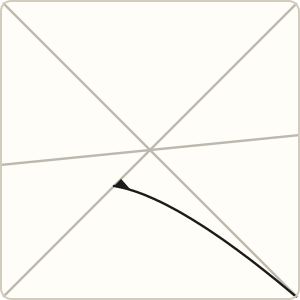
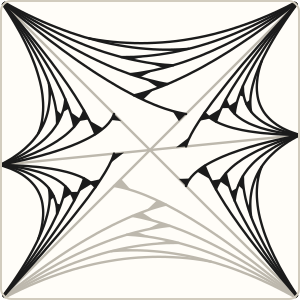
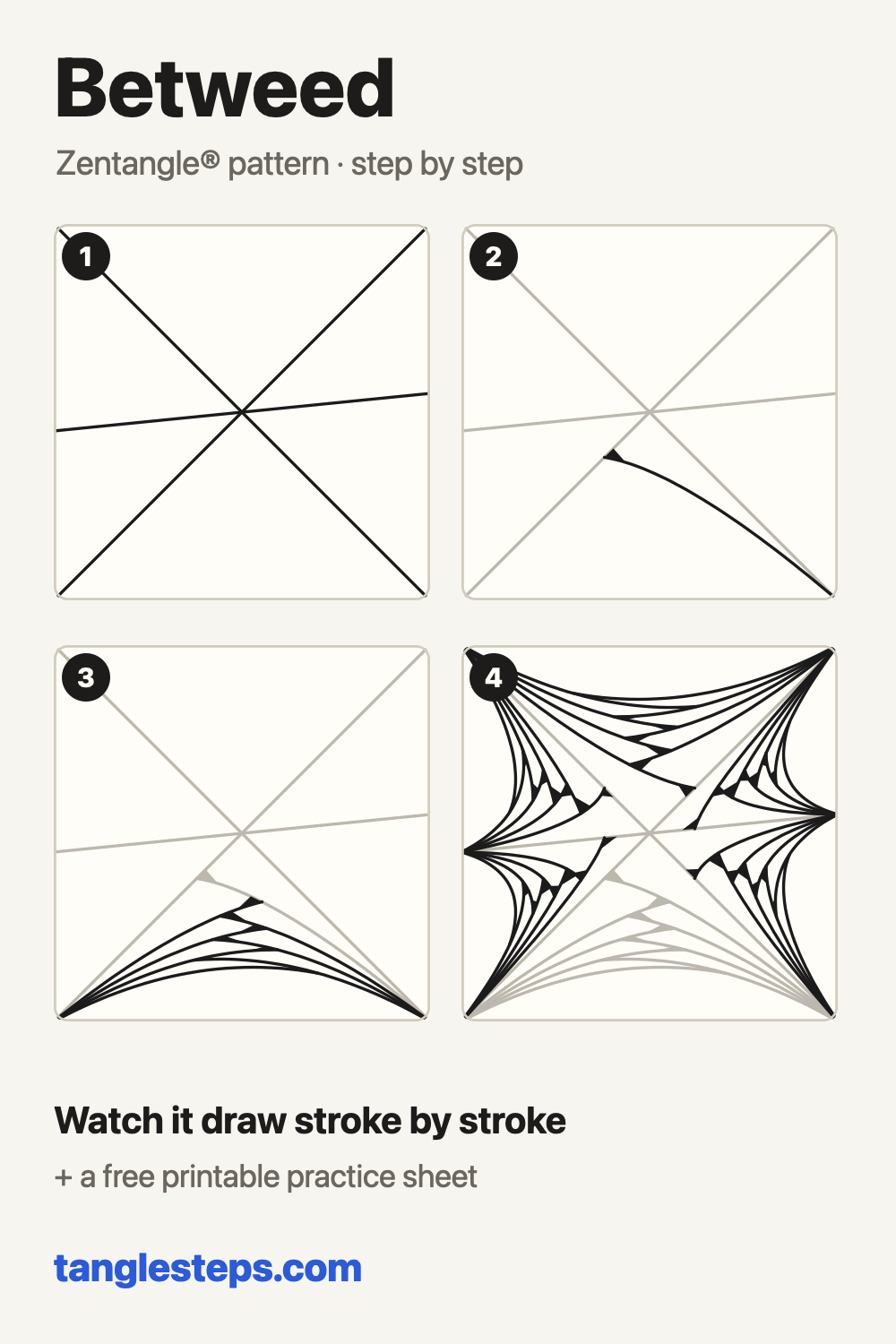
In one section, sweep a curve up from one outer corner and stop it on the far line. Fill the tight gap at its tip black.
 Step 3
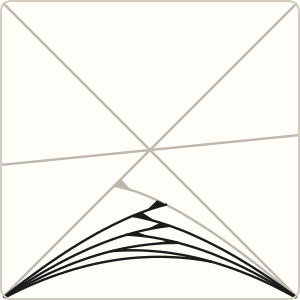
Sweep the next curve from the other corner and stop it on the first curve, a little lower. Keep taking turns until you reach the edge.
 Step 4
Fill every other section the same way.
Common Betweed mistakes and how to fix them
- Curves start partway along the edge instead of in the corner. Put the pen right in the corner every time; all the curves of one side share it.
- Curves cross the previous one. Slow down near the end and stop the moment you touch the curve before.
Tips for a neat Betweed
- Every curve starts exactly in a corner; that is what makes the blades fan so cleanly.
- Stop each curve on the previous one rather than drawing through it.
- Keep the black tips small; they should only fill the narrow gap, not the blade.
Betweed variations
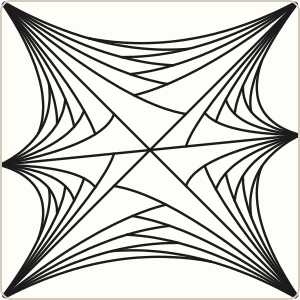
- Draw Betweed in only two or three of the sections and fill the rest with a contrasting tangle.
Take it further: Betweed and Paradox study
For a more involved practice, combine four pattern tiles into one composition.
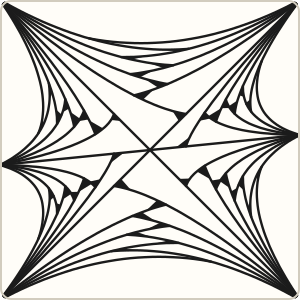
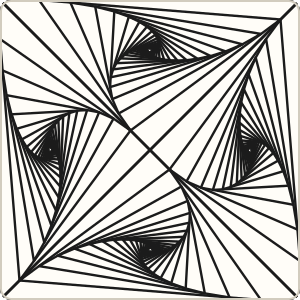
Divide a square into four smaller squares. Fill two diagonal squares with Betweed and the other two with Paradox. Work one section at a time, keeping each pattern inside its own square. Add soft pencil shading along the shared edges to make the sections stand apart.
Tangles that pair well with Betweed
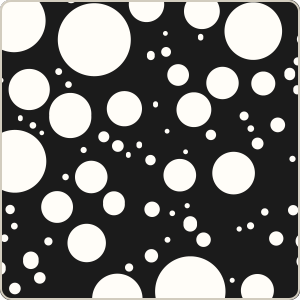 Tipple round orbs soften Betweed's sharp blades
- Paradox both turn straight-sided sections into motion
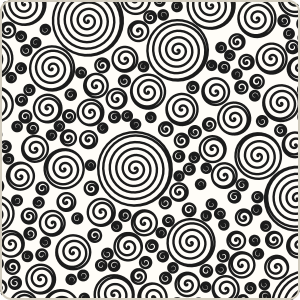 Printemps spirals contrast with the long sweeping curves
Betweed step-out chart
All the steps on one image, handy for a sketchbook or a classroom wall.
More tangles to learn
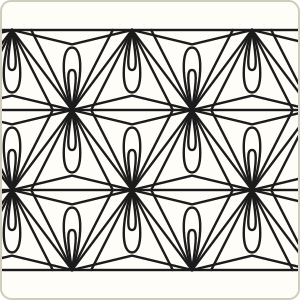 Queen B
 Hearts & Diamonds
 Crescent Moon
 Fescu
 Cubine
 Cadent
Page updated .